
P0401 Code: Symptoms, Causes, and Fixes
Got a P0401 code popping up—and tired of wasting time, money, and frustration on guesswork repairs? You're in the right place. This annoying EGR-related fault can trigger your check engine light, kill fuel efficiency, and even cause failed emissions tests—but you don't need a pro mechanic to fix it.
In this complete guide, we'll break down:
✅ Exactly what the P0401 code means (no confusing jargon)
✅ The top 5 causes of P0401 (and how to spot them fast)
✅ Step-by-step DIY diagnosis (with tools you probably already have)
✅ Simple, budget-friendly fixes to clear the code for good
✅ Model-specific tips to avoid common P0401 mistakes (Ford, Toyota, Honda & more)
What Does the P0401 Code Mean?
P0401 is a generic OBD-II trouble code that stands for "Exhaust Gas Recirculation Flow Insufficient Detected." In plain language, your engine's computer (ECU) has noticed that when it commanded the EGR valve to open, the actual amount of exhaust gas flowing through the system was lower than expected.
The EGR system's job is to recirculate a small portion of exhaust gases back into the intake manifold to lower combustion temperatures and reduce harmful nitrogen oxide (NOx) emissions. When this flow is insufficient, the ECU triggers the P0401 code and illuminates the check engine light. Left unaddressed, this can lead to reduced fuel efficiency, poor performance, and even failed emissions tests.

Common Symptoms of P0401
While the check engine light is the most obvious sign of P0401, you may also notice:
- Rough idle or stalling: A clogged EGR valve can disrupt the air-fuel mixture, causing the engine to shake or stall at idle.
- Reduced power and acceleration: With less efficient combustion, your car may feel sluggish when you press the gas.
- Increased fuel consumption: The engine may run richer to compensate, leading to higher gas bills.
- Failed emissions test: In regions with strict emissions rules, P0401 is a common reason for failing the inspection.
- Strong fuel smell: Unburnt fuel in the exhaust can create a noticeable odor, especially at idle.

Top Causes of P0401
P0401 almost always traces back to a problem in the EGR system. Here are the most frequent culprits:
Clogged EGR Valve or Passages
Carbon buildup is the #1 cause of P0401. Over time, exhaust soot and deposits can clog the EGR valve itself or the small passages that connect it to the intake manifold. When this happens, the valve can't open fully—or at all—restricting exhaust flow.
Faulty EGR Position Sensor
The EGR position sensor tells the ECU how far the valve is open. If the sensor fails or sends incorrect data, the ECU may think the EGR flow is insufficient even when the valve is working properly.
Stuck or Malfunctioning EGR Valve
The EGR valve can get stuck in the closed position due to carbon buildup or a broken internal mechanism. This prevents any exhaust gas from recirculating, triggering P0401.
Vacuum Leaks in the EGR System
Many EGR valves are controlled by vacuum pressure. Cracked hoses, loose fittings, or a faulty vacuum solenoid can disrupt this pressure, making the valve fail to open as commanded.
Exhaust Backpressure Issues
A clogged catalytic converter, damaged muffler, or blocked exhaust pipe can increase backpressure in the exhaust system. This can prevent exhaust gases from flowing into the EGR system, even if the valve is open.

Step-by-Step Diagnosis of P0401
Diagnosing P0401 doesn't have to be intimidating. Follow these steps to pinpoint the problem:
Step 1: Confirm the Code with an OBD Scanner
Start by plugging in an OBD-II scanner to read the code and freeze frame data. This will show you when the code was triggered and under what conditions (e.g., engine temperature, load). If you see other codes alongside P0401 (like P0402 or P0403), they can help narrow down the issue.
Step 2: Visual Inspection of the EGR System
Locate the EGR valve (usually near the intake manifold) and check for:
- Cracked or brittle vacuum hoses
- Loose electrical connectors on the EGR valve or sensor
- Heavy carbon buildup on the valve or surrounding passages

Step 3: Test the EGR Valve Operation
Use your scanner to command the EGR valve to open. If you can hear or feel the valve move, it's likely functional. If it doesn't respond, it may be stuck or electrically faulty. For manual testing, you can also apply vacuum directly to the valve (if it's a vacuum-operated model) to see if it opens.
Step 4: Check for Vacuum Leaks
Use a smoke machine or a can of carburetor cleaner to test for vacuum leaks in the EGR system. If you spray cleaner on a leak, the engine idle will change as the cleaner is drawn in.
Step 5: Inspect the Exhaust System
Check the catalytic converter, muffler, and exhaust pipes for signs of damage or blockage. A restricted exhaust can cause backpressure that interferes with EGR flow.
How to Fix P0401: Common Solutions
Once you've identified the root cause, here's how to fix it:
Clean or Replace the EGR Valve
If carbon buildup is the issue, you can remove the valve and clean it with a specialized EGR cleaner. For severely clogged valves or those that are physically damaged, replacement is the better option.
Clear Clogged EGR Passages
Use a small brush and EGR cleaner to clear carbon from the intake manifold passages. Be careful not to push debris deeper into the engine—use a vacuum to remove loosened deposits.
Replace Faulty EGR Components
If the EGR position sensor or vacuum solenoid is faulty, replace it with a OEM or high-quality aftermarket part. Always follow the manufacturer's torque specifications when reinstalling components.
Repair Vacuum Leaks
Replace cracked hoses and tighten loose fittings. If the vacuum solenoid is faulty, replace it to restore proper EGR control.

Address Exhaust System Issues
If the catalytic converter is clogged, it will need to be replaced. For minor exhaust leaks, a weld or patch may suffice.
P0401 in Specific Car Models
P0401 can affect any vehicle with an EGR system, but some models are more prone to the issue:
- Ford F-150: Common in older models due to clogged EGR passages in the intake manifold.
- Toyota Camry: Often caused by a faulty EGR position sensor or carbon buildup on the valve.
- Honda Civic: Vacuum leaks in the EGR system are a frequent culprit, especially in high-mileage vehicles.
- Always check your vehicle's technical service bulletins (TSBs) for model-specific guidance on P0401.
When to Seek Professional Help
While many P0401 repairs are manageable for DIYers, there are times to call a professional:
- If you lack the tools or experience to test the EGR system.
- If the issue is related to the catalytic converter or exhaust system, which requires specialized equipment.
- If the ECU needs to be reprogrammed after replacing EGR components.
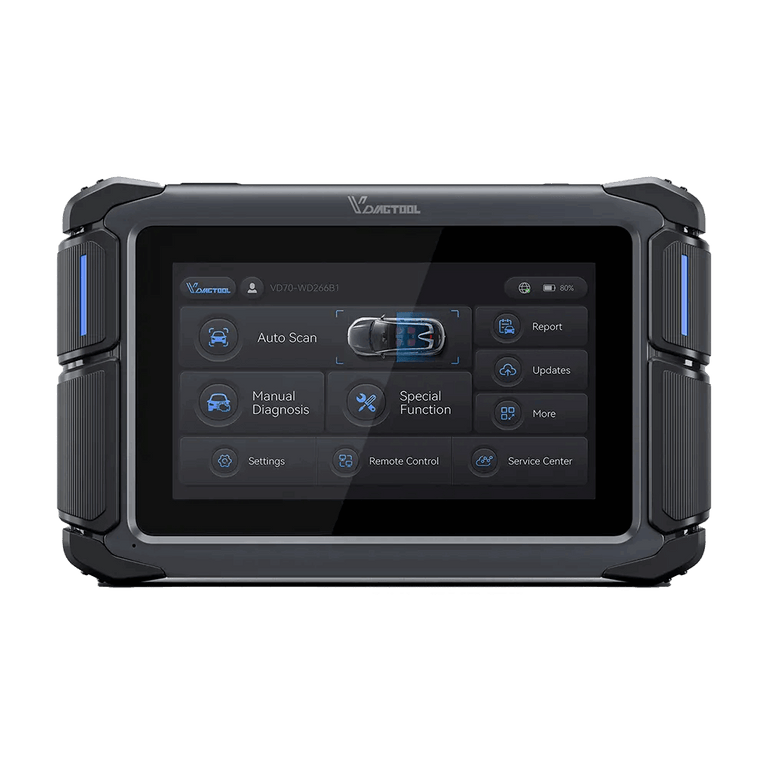
Final Thoughts & Recommended Tool: VDIAGTOOL VD70
P0401 is a manageable issue, but it requires a methodical approach to diagnose and repair. Regular maintenance—like cleaning the EGR valve every 30,000 miles—can help prevent it from occurring in the first place.
For professional repair shops or experienced DIYers, a reliable diagnostic tool can make all the difference. The VD70 diagnostic scanner supports full-system diagnostics, actuation tests, coding, and 38 special functions—including EGR-related operations—to help you quickly pinpoint and resolve P0401 and other common trouble codes.

Frequently Asked Questions (FAQs)
Q: Can I drive my car with a P0401 code?
A: You can drive short distances, but prolonged operation can lead to increased emissions, reduced fuel efficiency, and potential engine damage.
Q: How much does it cost to fix P0401?
A: Costs vary: cleaning the EGR valve costs $100–$200, while replacing the valve or sensor can cost $300–$600.
Q: Can a bad catalytic converter cause P0401?
A: Yes, a clogged catalytic converter increases exhaust backpressure, which can restrict EGR flow and trigger P0401.
Q: How do I reset the P0401 code after fixing it?
A: Use an OBD scanner to clear the code, or disconnect the battery for 15 minutes to reset the ECU.


