
How to Release Electronic Parking Brake(Manual & Tool Methods)
Modern vehicles have traded the satisfying "click-click" of a mechanical handbrake for the sleek, silent efficiency of an Electronic Parking Brake (EPB). While this technology saves space and adds safety features, it can become a nightmare when your battery dies or you're trying to perform a simple brake pad change.
If you are stuck wondering how to release an electronic parking brake, you aren't alone. Whether you're dealing with a system failure or preparing for maintenance, this guide covers every method from basic cockpit controls to professional diagnostic overrides.
1. The Standard Procedure: Releasing EPB from the Cockpit
In a healthy vehicle, releasing the EPB is straightforward. However, many drivers are unaware of the specific "safety interlocks" required by different manufacturers.
Step-by-Step Release:
- Enter the Ignition On mode: For push-button starts, press the start button without your foot on the brake (unless you intend to start the engine).
- Apply the Service Brake: You must firmly press the foot brake pedal. Most modern ECUs will not release the EPB actuator if they don't sense hydraulic pressure in the primary brake lines.
- Push the EPB Switch: Most systems require you to push the button down to release and then pull it up to engage.
- Check the Dashboard: Ensure the red "BRAKE" or "P" light disappears.

Expert Tip: Many modern vehicles (especially European brands like BMW and Audi) feature an "Auto-Release" function. If you are buckled in and shift into Drive or Reverse while applying the gas, the system should release automatically. If it doesn't, you likely have a sensor fault or a low-voltage issue.
2. Emergency Methods: How to Release EPB with a Dead Battery
This is the "emergency room" of car repairs. If your car has no power, the electric motor at the rear caliper cannot move.
Method A: The Jump-Start (Recommended)
Before you start unbolting parts, try providing 12V power via a jump-starter or another vehicle. The EPB system requires a significant surge of current to retract the actuators. If your battery is below 10V, the button may click, but the brakes will stay locked.
Method B: The Mechanical Override (Hidden Levers)
Some older luxury SUVs (like the Land Rover Discovery 3 or early BMW X5s) have a physical emergency release cable.
- Where to look: Check under the center console trim or in the spare tire well in the trunk.
- The Tool: Usually, a T-handle tool found in your factory toolkit is required to pull a wire loop until you hear a mechanical "pop."
| Car Brand | Common Manual Release Location |
| BMW (X5/X6) | A dedicated tool in the trunk used in a slot in the left-side trunk lining. |
| Audi / VW | Often requires removing the motor from the caliper (extreme cases). |
| Land Rover | A wire loop hidden under the center console or near the gear lever. |
Warning: Most 2020+ models have moved away from mechanical overrides to save weight. For these cars, you must use a diagnosis tool to help you.

Check your owner’s manual for the specific "Emergency Release" procedure for your VIN.
3. The "Service Mode" for Brake Replacement (Crucial for DIYers)
Why Service Mode is Critical
To retract the caliper piston safely, the car must enter Brake Maintenance Mode. This electronically winds back the internal actuator, allowing the piston to be compressed without mechanical damage. If you are changing your rear brake pads, do not attempt to force the piston back with a C-clamp. Doing so will damage the internal plastic gears of the EPB motor, resulting in a repair bill that can exceed $1,000.
The Problem with "Manual Hacks"
You might see YouTube videos suggesting you "hotwire" the caliper pins with a 9V battery. While this can work in a pinch, it is high-risk. Reversing polarity incorrectly or over-extending the motor can blow the EPB control module. Furthermore, without a tool, the car won't know the "Zero Point" of the new pads, often leading to a permanent warning light on your dashboard.
The Professional Solution: VDIAGTOOL VD80 BT
For anyone serious about vehicle maintenance, using a dedicated diagnostic tool is the only "safe" way to enter Brake Maintenance Mode. This command electronically winds back the internal spindle, allowing the piston to be compressed safely.
When we tested the VDIAGTOOL VD80 BT(complete review>>best scanner for EPB), the process took less than 60 seconds:
- Connect the VD80 BT to the OBDII port.
- Select Special Functions > EPB
- You will hear the rear motors whirring as they retract.
- After the hardware work is done, simply select Exit Maintenance Mode to recalibrate the air gap.
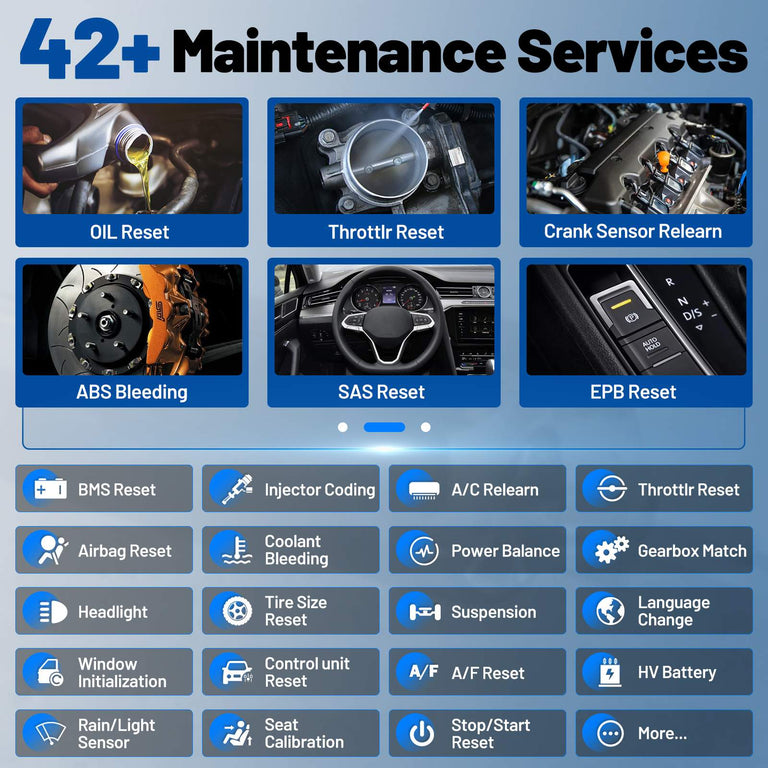
4. Exclusive Insight: The 2026 Shift to CAN FD & DoIP
If you are driving a newer vehicle (2023–2026 models like the Chevy Corvette C8, newer Fords, or GMCs), your car likely uses the CAN FD (Flexible Data-rate) protocol.
What this means for you: Older, cheaper OBDII scanners literally cannot "talk" to these new EPB systems. If you try to use an outdated tool, it won't even find the parking brake module. This is why tools like the VD80 BT have become the industry standard—they are equipped with the hardware to handle these high-speed protocols, ensuring you aren't left stranded with a locked brake just because your tool is "blind" to the car's language.
5. Comparison: Methods to Release EPB
| Method | Skill Level | Safety | Best For |
| Cockpit Button | Beginner | High | Daily Driving |
| Jump-Start | Intermediate | High | Dead Battery Situations |
| Manual Override Cable | Advanced | Medium | Specific Luxury Models only |
| Diagnostic Tool (VD80 BT) | Professional/DIY | Highest | Brake Pad Changes & Calibration |
6. Safety Checklist Before You Start
- Chock the Wheels: Once the EPB is released, only the transmission (Park) or the "Park Pawl" holds the car. If you are on an incline, the car will roll.
- Check the Fuse: If the system is unresponsive, check the fuse box (labeled "P-BRAKE" or "EPB").
- Voltage Check: Ensure your battery is at least 12.2V. Low voltage is the #1 cause of "EPB Malfunction" errors.
- Don't Rush: After releasing the brake via a tool, pump the brake pedal several times before driving to reseat the pads.

Frequently Asked Questions (FAQs)
Q: Can I release the EPB if the motor is seized?
If the motor itself has failed (usually due to road salt corrosion), electronic methods won't work. You may have to unbolt the actuator from the back of the caliper and use a Torx bit to manually turn the internal screw clockwise to release the tension.
Q: What happens if the EPB fuse blows?
A: The system will be stuck in its last state. If it was engaged, you won't be able to drive. Replacing the fuse is the first step in troubleshooting.
Q: Is there a universal "secret code" to release EPB?
No. While some cars (like certain Toyotas) have a sequence of pedal presses and button holds to enter service mode, these are increasingly rare. Modern manufacturers prefer the security and logging of an OBDII-initiated service command.
Final Thoughts:
Learning how to release an electronic parking brake is an essential skill for the modern era. While manual overrides are disappearing, the combination of a healthy battery and a capable diagnostic tool ensures that you remain in control of your vehicle's most critical safety system.


